
Soft Power Index: The World Order Is Being Redrawn, and Uzbekistan Is Closing in on Kazakhstan
13 February 2026
 221
221

In 2026, global geopolitics remains in a phase of acute military confrontation. The results of 2025 recorded the highest level of tension since World War II. In an environment where military power takes priority, the importance of reputational capital becomes a key factor in maintaining investment attractiveness and foreign policy agency.
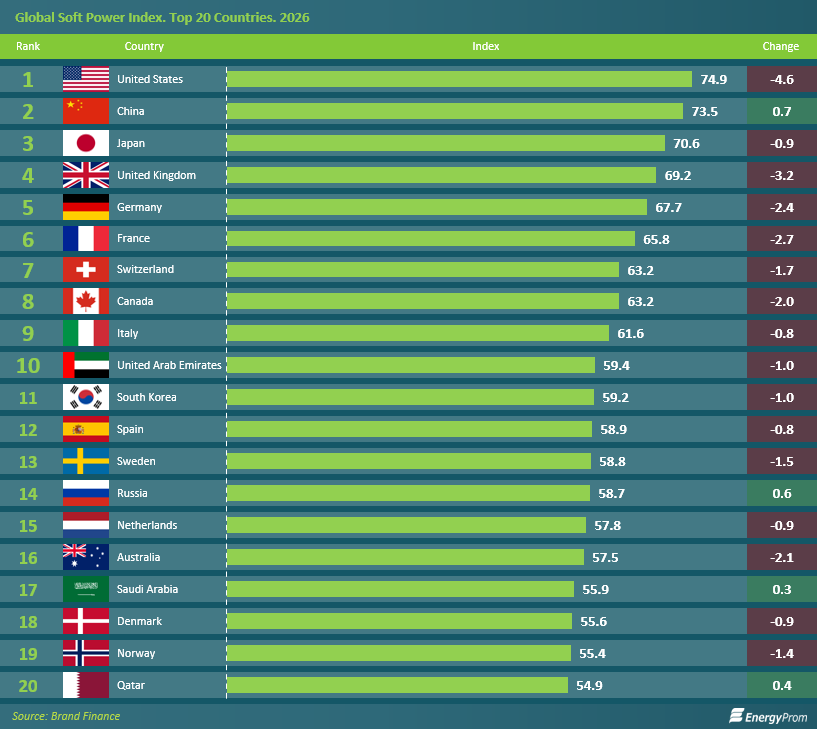
In January of this year, the annual report “Global Soft Power Index 2026” by Brand Finance was released. Data collection took place in September and October 2025 (prior to the military confrontation involving the United States and Israel with Iran) and covered 150 thousand respondents across 100 markets. All 193 UN member states were assessed. The index includes three core KPIs (familiarity, reputation, and influence) and 55 metrics grouped into eight pillars (culture and heritage, education and science, international relations, business and trade, governance, media and communications, sustainable future, and people and values). The assessment is based on 35 national brand attributes. Soft power reflects a country’s ability to shape global public opinion through culture, diplomacy, business, and international influence.
The 2026 results confirm a crisis of trust in Western governance institutions amid prolonged conflicts. The United States ranked first with a score of 74.9, although it recorded a sharp decline of 4.6 points. The main deterioration was observed in the “governance” and “international relations” categories. China ranked second with a score of 73.5, significantly narrowing the gap with the leader. For the first time in the index’s history, China surpassed the United States in “reputation.” Japan, with a score of 70.6, entered the top three, displacing the United Kingdom. Among the laggards in terms of dynamics were G7 countries, reflecting economic instability and weakening diplomatic influence. Russia should also be noted, ranking 14th, having improved both its score (plus 0.6 points) and its position (up two places).
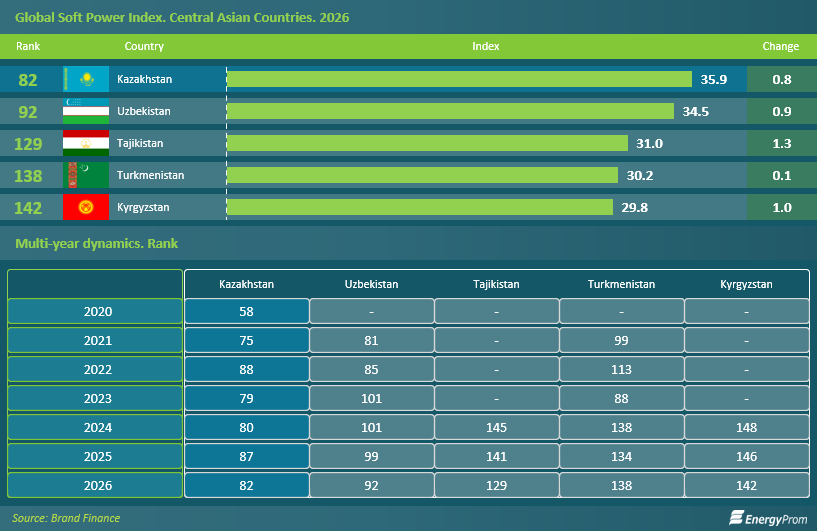
Kazakhstan retains its position as the regional leader in Central Asia, although the pace of index growth remains moderate. The country ranked 82nd with a score of 35.9, gaining 0.8 points and moving up five positions compared to the previous year. Uzbekistan rose by seven places to 92nd, with a score of 34.5 and an increase of 1.1 points. Tajikistan ranked 129th, Turkmenistan 138th, and Kyrgyzstan 142nd. Among Central Asian countries, the strongest improvement was recorded in Tajikistan (plus 1.3 points and up 12 positions), while the weakest performance was observed in Turkmenistan (plus 0.1 points and down four positions).
Competition for the status of the most attractive national brand is intensifying in the region. Kazakhstan remains the leader among Central Asian countries, although Uzbekistan demonstrates an advantage in humanitarian and information-related dimensions. The other countries in the region are positioned in the lower half of the second hundred in the global ranking across most indicators.
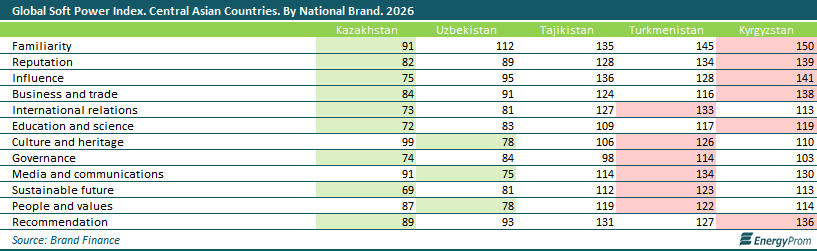
Kazakhstan leads Central Asian countries across the core KPIs: “familiarity” (91st), “reputation” (82nd), and “influence” (75th). The country ranks highest in such metric groups as “education and science” (72nd), “governance” (74th), and “business and trade” (84th), and has the strongest investor recommendations (89th). Kazakhstan also demonstrates a clear advantage in the “sustainable future” category (69th), reflecting its environmental and energy agenda.
Uzbekistan outperforms Kazakhstan in three areas: “culture and heritage” (78th), “media and communications” (75th), and “people and values” (78th). This indicates more active promotion of the national image in the global information space. At the same time, in core economic indicators and familiarity, Uzbekistan still lags behind Kazakhstan.
For Kazakhstan, 82nd place in the overall ranking despite an improved score signals stagnation against the backdrop of more active advancement by neighboring countries. The key challenge lies in increasing brand familiarity through stronger media influence, where a gap with Uzbekistan has been identified. Growth in global recognition is largely driven by the export of cultural and informational products. The international popularity of music, film, digital entertainment, and esports is becoming one of the key tools for strengthening soft power. The success of representatives of creative industries and the sports community generates sustained external interest in the country, enhancing its presence in the global media space and improving performance in such index pillars as “media and communications,” “culture and heritage,” and “people and values.”
For Kazakhstan, developing these areas could become one of the most effective channels for increasing national brand recognition. Converting cultural and digital achievements into a coherent state strategy for promotion could significantly strengthen the country’s international media presence and improve its position in global soft power rankings.


Which Social Networks and Messengers Do Kazakhstan’s Young People Prefer?
9 October 2025
5980
Gas Production Declined, While Prices Jumped 28% Year-on-Year
17 September 2025
4792
Kazakhstan’s Citizens Are Meat Lovers: Meat and Meat Product Consumption Up by 2%
29 October 2025
4640
Who and why does Kazakhstan’s saiga antelope give trouble?
28 June 2022
3763
Which Social Networks and Messengers Do Kazakhstan’s Young People Prefer?
9 October 2025
5980
Gas Production Declined, While Prices Jumped 28% Year-on-Year
17 September 2025
4792
Kazakhstan’s Citizens Are Meat Lovers: Meat and Meat Product Consumption Up by 2%
29 October 2025
4640
Who and why does Kazakhstan’s saiga antelope give trouble?
28 June 2022
3763
Popular articles
Watch all

Which Social Networks and Messengers Do Kazakhstan’s Young People Prefer?
According to the analytical report “Youth of Kazakhstan” for 2024, one of the most common ways young people spend their Читать далее...
9 October 2025
5980
Gas Production Declined, While Prices Jumped 28% Year-on-Year
In January–July of this year, natural gas production in Kazakhstan amounted to 14.8 billion cubic meters, down 10.3% compared with Читать далее...
17 September 2025
4792
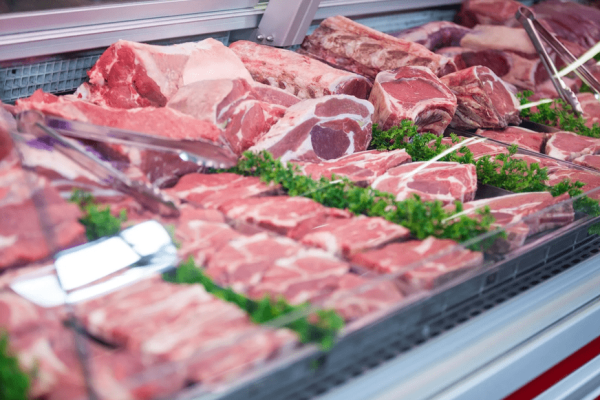
Kazakhstan’s Citizens Are Meat Lovers: Meat and Meat Product Consumption Up by 2%
In January–September of the current year, Kazakhstan produced 57.3 thousand tonnes of fresh or chilled meat from cattle, pigs, sheep, Читать далее...
29 October 2025
4640
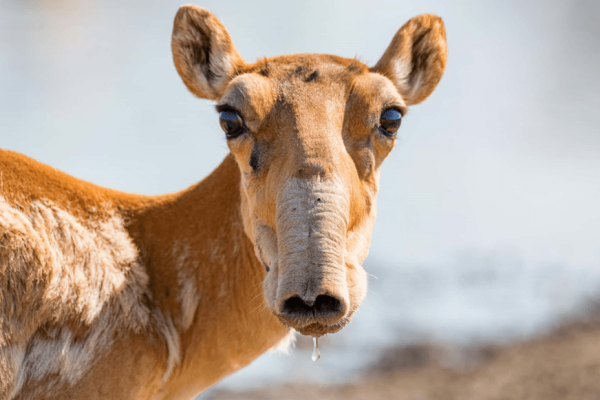
Who and why does Kazakhstan’s saiga antelope give trouble?
Experts question the department’s statistics, as well as decisions made at state level regarding saigas In early summer, there Читать далее...
28 June 2022
3763

Electric Vehicles Accounted for Less Than 1% of All Registered Cars in Kazakhstan
From January to July of this year, 925.8 thousand passenger cars were registered in Kazakhstan, 0.3% more than in the Читать далее...
28 August 2025
3265

“Pirating” in Kazakhstan: 59% of Young People Use Free Platforms to Watch Films and Series
According to the analytical report Youth of Kazakhstan for 2024, one of the most common leisure activities among young people Читать далее...
26 September 2025
3069

Power generation reaches 53.7bn kWh in January-July, up by 1.7% year on year. Gas turbine power plants with a capacity of 100,000 kW worth KZT18.6bn were commissioned in the first half of the year
Electricity tariffs went up by 5.8% year on year in August
16 September 2016
2301
Global Peace Index: The Number of Conflicts Is Rising, and the World Is Becoming More Dangerous
According to the annual Global Peace Index (GPI) published by the Institute for Economics & Peace, Iceland has remained the Читать далее...
12 January 2026
2242

Kazakh oil refineries supplied 73.3% of motor fuel consumed and 97.4% of diesel fuel consumed in the country. Petrol output increased by 10.6% and production of gasoils by 3.6%
The price of the most popular octane-93 petrol increased by 16.4% year on year to KZT125 per litre in July. The price of summer diesel increased by 3.3% year on year to KZT99 per litre
15 September 2016
2103

How Much Do People in Kazakhstan Spend on Medicines?
In the second quarter of this year, household healthcare spending in Kazakhstan averaged 28.8 thousand tenge per household, 6.6% less Читать далее...
25 September 2025
1562

Safeguarding the nature: investment into environmental protection increased by 34% over the year
The number of fixed point sources of pollution in 10 years has increased by 58% Environmental issues are extremely Читать далее...
5 November 2021
1536

Industrial enterprises navigate to sustainable development
Major industrial companies’ investments into social and infrastructure projects in 2019 exceeded 140 billion Tenge Kazakhstan has been holding Читать далее...
5 November 2021
1498

Focus on ESG: the world is confidently switching to green rails and sustainable development principles
In Kazakhstan, only some of the major backbone companies, major market players, and national development institutions are ready to implement Читать далее...
5 November 2021
1413
Output of unrefined and semi-refined gold increased by 21.5% year on year, that of refined gold by 16.5%
Jewellery prices jump by 20.1% year on year on average in Kazakhstan, by 50% in Astana
6 September 2016
1310
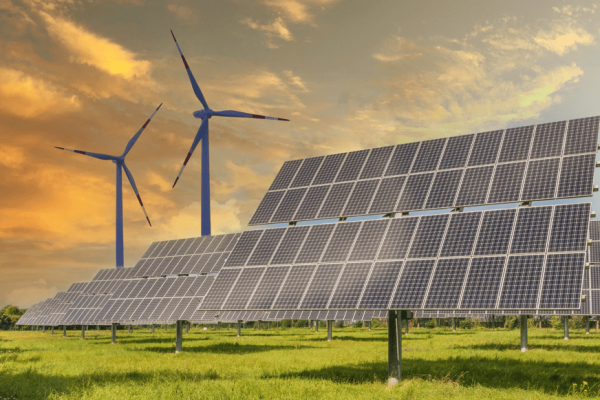
Renewable energy generation capacities goes up by 40% year-on-year in Kazakhstan in 1Q2016
Clean energy generation jumps by 130% year-on-year in this period
22 June 2016
1192